In 10 years, a lot will be different. Perhaps my point of view in life may have shifted, and the values I hold dear and close may change as well. Regardless of this, I wanted to create a list of books that may help expand my thoughts and perspectives in the next 10 years.
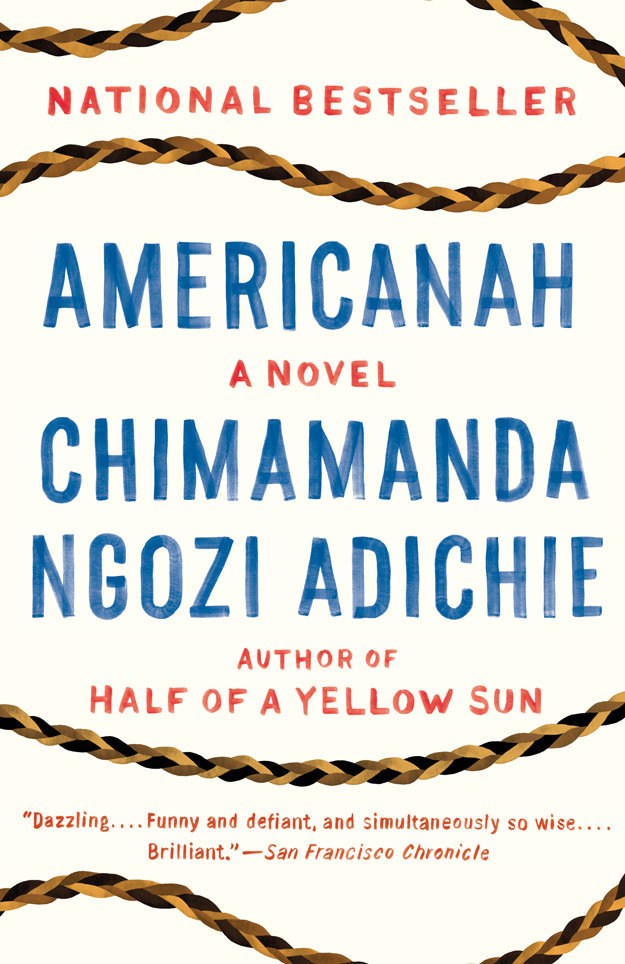
- Americanah by Chimamanda Ngozi Adichie: I had already read Purple Hibiscus by Adichie before, and I really enjoyed the way she was able to portray the complex relationships and power struggles within a family. I feel like this book will also deliver with the complex relationship between Ifemelu and Obinize, as they try to make a relationship work despite their years apart and varying experiences.
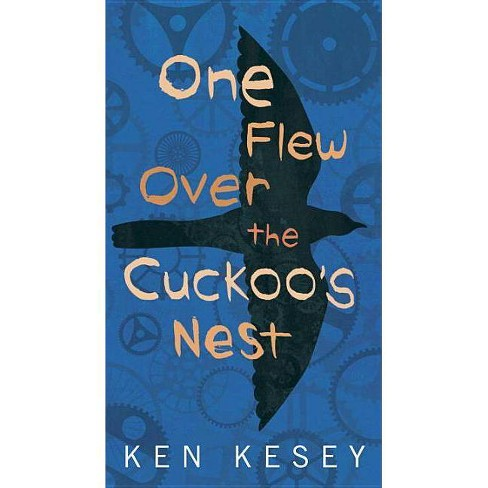
- One Flew Over the Cuckoo's Nest by Ken Kesey: This is a book that I bought from Barnes & Noble last year, and I've been meaning to read it for the longest time. I tend to like books that are about rebellion against an a figure of authority, and as someone interested in going into the medical field, I'm interested to see Kesey's critique of psychiatry during that time.
- Norwegian Wood by Haruki Murakami: Some people call Murakami one of the most gifted writers of all time, and I'm curious to see what they mean. Norwegian Wood has a sort of nostalgic feel to it that I myself have been feeling lately, so it's one of the next books on my imminent reading list.

- Beloved by Toni Morrison: This is one of the greatest novels in American history, and I feel like this is an important novel that all people should read, as there are very few books out there that actually give us the perspective of formerly enslaved people. I'm also curious as to the "spirit" that haunts the family's house, and whether there is any symbolism behind it

- Clockwork Orange by Anthony Burgess: I will be honest, I was in the middle of reading the book last year but gave up because I was too lazy to keep opening up the Nadsat to English dictionary. However, I've always really liked the concept of the book, and it's interesting to see how low people like Alex can go.

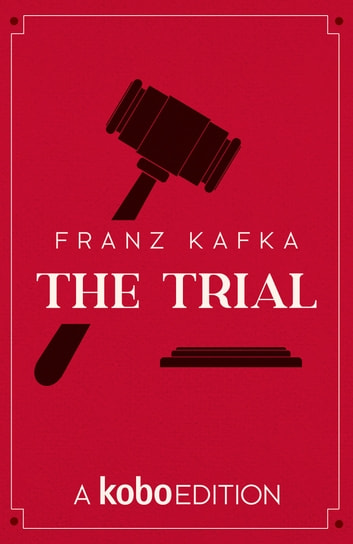
- The Trial by Franz Kafka: This was one of the summer reading books from last year, and unfortunately I did not pick up that book to read. However, after reading absurdist literature from authors such as Albert Camus, I've been interested in books that make no sense to the logical mind.
- The Satanic Verses by Salman Rushdie: I heard about Rushdie last summer on the news when he survived an attempted assasination attempt. While it's meant to highlight the immigrant experience in Britain, it is also one of the most controversial books of all time, and was banned from India during Rajiv Gandhi's time as prime minister. People connected to this book have been stabbed to death, and Ayatollah Khomieni even declared a fatwa, or Inquisition, towards Rushdie. Enough said, I absolutely need to see what this book is about.

- Atonement by Ian McEwan: While the historic premise of the book is something that always interests me, the inner cover of the book is what truly captures me. A young girl's small mistake leading to the destruction of the lives of all her loved ones? You can't just say that and expect me to not pick up the book.

- The Leopard by Giuseppe Tomasi de Lampedusa: I'm always interested to read about the social and historical perspectives from different countries and cultures, and Italy provides something new. There are already countless tales from Victorian Era England or the French Revolution, but rarely are we exposed to other time periods in the American schooling system. This book is known as the single most important novel in Italian history, and I'm quite curious to learn about the Risorgimento, which is a time period I don't know much about.

- I'm Glad my Mom Died by Jeanette McCurdy: I don't think this book really needs much introduction, as it went viral last year, but this has always been a book that I've been trying to get my hands on, although there's always somewhere around 10 holds on this book at a time at the TPL. Although I definitely have a much healthier relationship with my mom than McCurdy had, stories of abuse are important to be shared with the rest of the world in order to help others who may be facing similar situations. I've also been very interested to learn more about McCurdy's life, and her situation reminds me of Britney Spears and how shge was basically controlled by her own father.

Well, that's my list. Hopefully I end up reading these books. If I don't by the time I'm 27, someone please slap me. Also, all these books are labeled as 1 because they're all #1 in my heart 😍
Comments
Post a Comment